


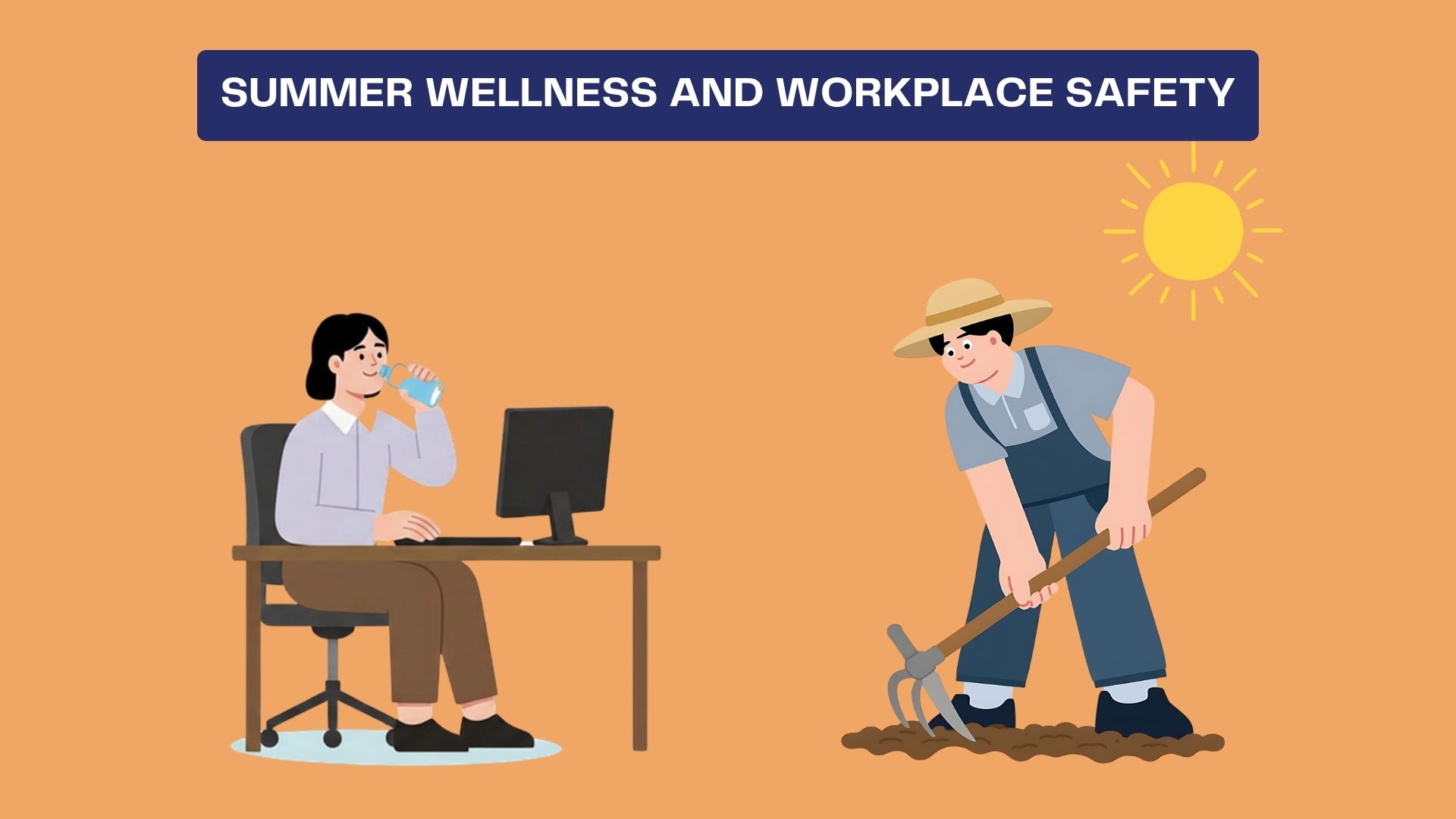
Summer can bring many benefits to the workplace, including improved morale, increased opportunities for outdoor activity, and greater exposure to natural daylight. However, warmer weather can also introduce a range of health and safety challenges that employers need to consider.
From dehydration and heat-related illness to fatigue and sun exposure, seasonal risks can affect employee wellbeing, productivity, and workplace safety. For organisations with outdoor workers, drivers, safety-critical roles, or physically demanding jobs, these risks can become particularly significant.
By taking a proactive approach to summer wellness and workplace safety, employers can help protect their workforce, reduce the likelihood of incidents, and support overall business performance.
Why Summer Wellness Matters
Many employers associate workplace wellbeing with mental health, but physical wellbeing is equally important. During periods of hot weather, even healthy individuals can experience reduced concentration, fatigue, headaches, and decreased productivity.
The Health and Safety Executive (HSE) recognises that temperature can have a significant impact on employee comfort, wellbeing, and performance. Excessive heat can affect decision-making, increase the likelihood of mistakes, and contribute to workplace accidents.
For organisations operating in sectors such as manufacturing, construction, logistics, transportation, healthcare, and engineering, these risks may be even greater due to physical workloads, personal protective equipment (PPE), and environmental conditions.
Supporting employee wellbeing during the summer months is not simply about comfort; it is an important part of managing workplace health and safety.
Understanding Heat-Related Risks
Heat affects people differently depending on factors such as age, underlying health conditions, medication use, physical fitness, and the nature of their work.
Employees may be at increased risk if they:
- Work outdoors for extended periods
- Perform physically demanding tasks
- Wear heavy or restrictive PPE
- Work in hot indoor environments
- Spend long periods driving
- Have underlying medical conditions
Without appropriate controls, exposure to heat can lead to dehydration, heat exhaustion, and, in severe cases, heatstroke.
Signs of Dehydration
One of the most common summer health risks is dehydration.
Symptoms may include:
- Increased thirst
- Dry mouth
- Headaches
- Dizziness
- Fatigue
- Reduced concentration
- Dark-coloured urine
Even mild dehydration can negatively impact cognitive performance, reaction times, and decision-making.
Signs of Heat Exhaustion
Heat exhaustion occurs when the body struggles to regulate its temperature.
Common symptoms include:
- Excessive sweating
- Weakness or tiredness
- Muscle cramps
- Dizziness or light-headedness
- Nausea
- Rapid heartbeat
- Headaches
Employees displaying signs of heat exhaustion should be moved to a cooler environment, encouraged to rest, and provided with fluids.
Recognising Heatstroke
Heatstroke is a medical emergency and requires immediate attention.
Symptoms may include:
- Confusion or disorientation
- Loss of consciousness
- High body temperature
- Hot skin
- Seizures
Emergency medical assistance should be sought immediately if heatstroke is suspected.
Fatigue: An Often Overlooked Summer Risk
While many organisations focus on heat exposure, fatigue can be equally important.
Hot weather can affect sleep quality, leading to increased tiredness during the working day. Combined with physically demanding tasks, long shifts, or safety-critical responsibilities, fatigue can significantly increase workplace risk.
Research consistently shows that fatigue can impair concentration, judgement, memory, and reaction times.
Employers should be particularly vigilant where employees:
- Operate machinery
- Drive vehicles
- Work at height
- Carry out safety-critical tasks
- Work extended shifts
Warning signs of fatigue may include:
- Reduced concentration
- Slower reaction times
- Increased mistakes
- Irritability
- Reduced productivity
- Difficulty retaining information
Encouraging regular breaks, reviewing workloads, and ensuring employees remain hydrated can help reduce fatigue-related risks.
Supporting Outdoor Workers
Employees working outdoors often face additional challenges during the summer months.
Prolonged exposure to sunlight increases the risk of:
- Sunburn
- Dehydration
- Heat-related illness
- Skin damage
- Skin cancer
According to Cancer Research UK, around 9 in 10 melanoma skin cancer cases in the UK are preventable, with exposure to ultraviolet (UV) radiation being the primary cause.
Employers should consider measures such as:
- Providing access to drinking water
- Scheduling strenuous work during cooler periods where possible
- Encouraging regular breaks in shaded areas
- Providing suitable PPE and sun protection
- Educating employees about UV exposure risks
Practical Steps Employers Can Take
Employers do not need to wait for a heatwave to start supporting employee wellbeing.
Simple measures can make a significant difference, including:
- Promoting regular hydration
- Encouraging employees to take breaks
- Reviewing workplace temperatures and ventilation
- Educating employees on heat-related risks
- Monitoring workload demands
- Supporting good sleep and fatigue management practices
- Providing access to Occupational Health support where appropriate
The most effective organisations view summer wellness as part of their wider wellbeing and health and safety strategy rather than a seasonal issue.
Contact Us
At Acorn Occupational Health, we support organisations through a range of services including Well Person Medicals, Management Referrals, Health Surveillance, including skin checks, and workplace wellbeing initiatives. By identifying risks early and providing expert guidance, we help employers create healthier, safer workplaces all year round.
📞 01260 277797
📧 website@acornoh.co.uk