


Most of us know plenty of numbers off by heart. Our age, postcode, phone number, perhaps even how many steps we aim to take each day.
But how many of us know our blood pressure?
Know Your Numbers! Week, which takes place from 7–13 September 2026, is an annual awareness campaign led by Blood Pressure UK. Its purpose is simple: to encourage people to check their blood pressure and understand the importance of keeping it within a healthy range.
This year’s theme, “You know your age, do you know your numbers?”, is a reminder that high blood pressure can affect people of all ages, and that the only way to know whether yours is raised is to have it checked.
What is blood pressure?
Blood pressure is the force of blood pushing against the walls of your arteries as your heart pumps it around your body.
When your blood pressure is measured, you are given two numbers:
- Systolic pressure – the higher number, showing the pressure when your heart beats.
- Diastolic pressure – the lower number, showing the pressure when your heart relaxes between beats.
Why is knowing your numbers so important?
High blood pressure, also known as hypertension, is often described as a “silent” condition because it usually does not cause noticeable symptoms.
That means someone can have high blood pressure for years without realising it.
Around one in three people in the UK have high blood pressure, but many are unaware that they have it.
Left untreated, high blood pressure can increase the risk of serious health problems, including heart attacks, strokes and other cardiovascular conditions. It can also contribute to kidney disease and other long-term health problems.
The good news is that high blood pressure can often be managed. Finding it early gives people the opportunity to make appropriate lifestyle changes and, where necessary, access treatment and support.
That starts with knowing your numbers.
What can influence blood pressure?
Blood pressure can be affected by a range of factors. Some, such as age and family history, cannot be changed. However, there are also lifestyle factors that can play a role.
These can include:
- Physical inactivity
- Being overweight
- Eating too much salt
- Smoking
- Drinking too much alcohol
- Long-term stress
- An unhealthy diet
This doesn’t mean that everyone with high blood pressure has an unhealthy lifestyle. Hypertension can affect people for many different reasons, which is why regular checks are important rather than relying on how healthy you feel.
What does this mean for employers?
Know Your Numbers! Week is also a useful opportunity for employers to think about how they support the health and wellbeing of their workforce.
Employees spend a significant proportion of their lives at work, so the workplace can be a valuable setting for encouraging healthier behaviours and improving awareness of preventable health risks.
Employers might consider:
- Sharing information about blood pressure and cardiovascular health.
- Encouraging employees to attend routine health checks.
- Signposting employees towards local pharmacies, GP services or NHS Health Checks.
- Promoting physical activity and healthy eating.
- Considering workplace wellbeing initiatives that make it easier for employees to look after their health.
- Offering appropriate health screening as part of a wider employee wellbeing programme.
Importantly, workplace health initiatives should be supportive rather than intrusive. Employees should feel encouraged to take responsibility for their health without feeling pressured to disclose personal medical information.
How can you check your blood pressure?
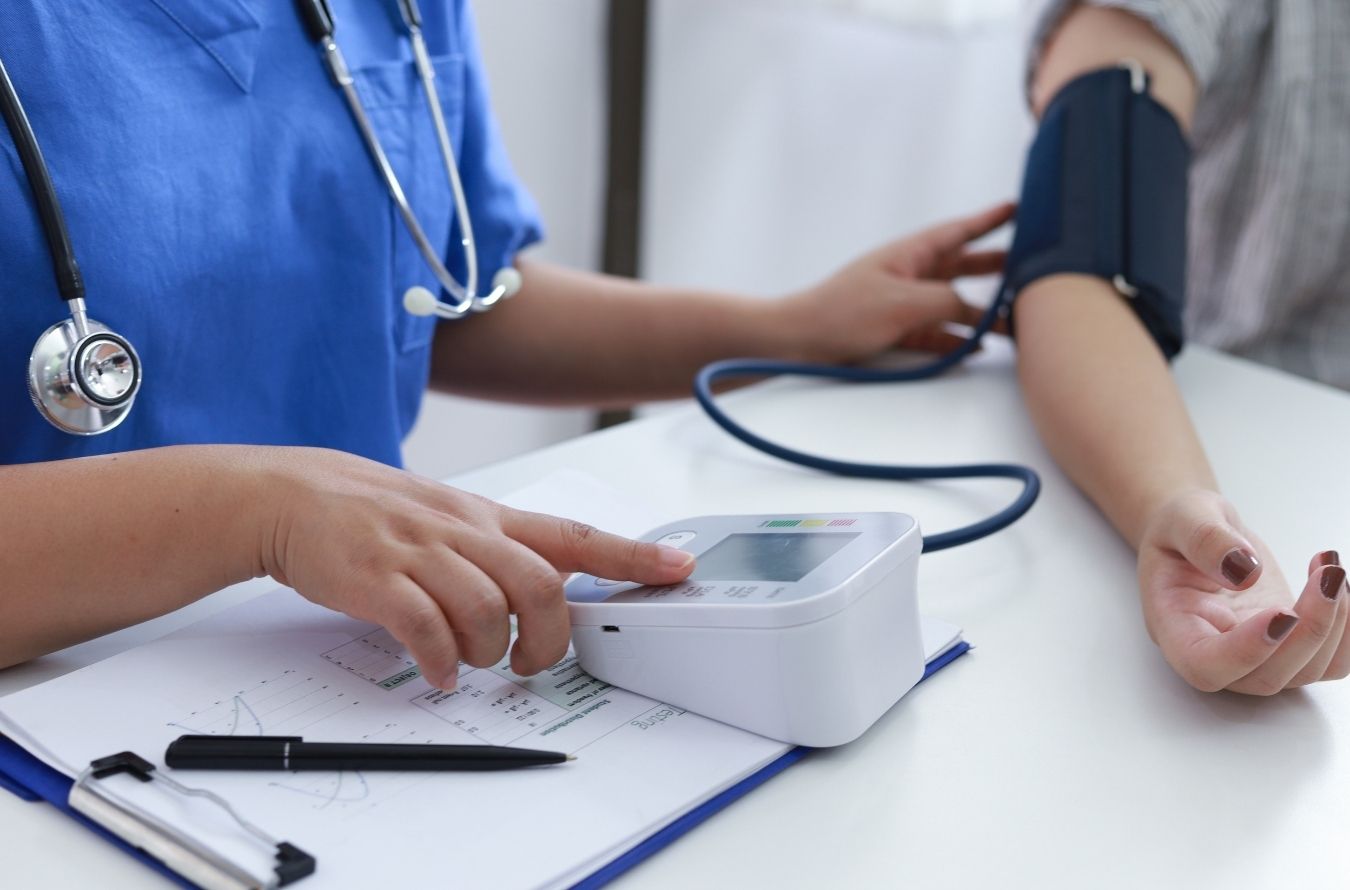
A blood pressure check is quick and straightforward. Checks may be available through GP practices, pharmacies, NHS Health Checks and other community services. Blood Pressure UK also highlights home monitoring as a simple way for people to keep track of their blood pressure.
For adults aged 40 to 74, NHS Health Checks can also provide an opportunity to assess blood pressure alongside other aspects of cardiovascular health.
If a reading is higher than expected, it does not necessarily mean that someone has hypertension. A healthcare professional can advise on whether further monitoring or assessment is needed.
Bringing health checks into the workplace
For employers looking to make preventative health support more accessible, Acorn Occupational Health can provide wellbeing days on site, giving employees an opportunity to have their blood pressure checked during the working day.
These sessions can also provide a chance for employees to discuss their results and raise questions about other aspects of their health and wellbeing. Depending on the needs of the organisation, wellbeing days can help employees become more aware of potential health concerns and encourage them to seek appropriate medical advice where needed.
Bringing health and wellbeing support directly into the workplace can make it easier for employees to take a few minutes out of their day to focus on their health, without needing to arrange a separate appointment.
A simple conversation or health check could be the first step towards understanding your health better.
This Know Your Numbers! Week, don’t just know your age. Know your numbers too.
Contact us
Looking to make preventative health support more accessible to your employees?
Acorn Occupational Health can support your organisation with on-site wellbeing days, providing employees with an opportunity to have their blood pressure checked and discuss their health and wellbeing with a healthcare professional.
Whether you’re looking to organise a dedicated wellbeing day or explore other ways to support the health of your workforce, our team can work with you to understand your requirements.
📞 01260 277797